In recent years, pet obesity has become a critical concern for many pet owners. With increasing awareness of the health risks associated with being overweight, the search for effective solutions has intensified. Can automatic pet feeders help with weight control? This question is at the heart of our exploration into modern feeding solutions for pets. These devices promise convenience and portion control, but their effectiveness can vary.
Automatic pet feeders can provide precise measurements of food portions, a crucial factor for managing a pet's weight. Many feeders also come with programmable settings, allowing owners to establish regular feeding times. However, one must consider the individual pet's needs. Not all pets respond the same way to automated feeding. Some may overeat when given the chance. Others may not adapt well to the changes in routine.
When evaluating automatic feeders, it's essential to weigh both their benefits and potential drawbacks. While they can assist in maintaining a healthy diet, they are not a panacea. Pet owners must remain engaged in their pet's overall wellness. Monitoring your pet's weight and behavior is still necessary. Automatic feeders are just one tool in the journey toward better weight management for our furry friends.
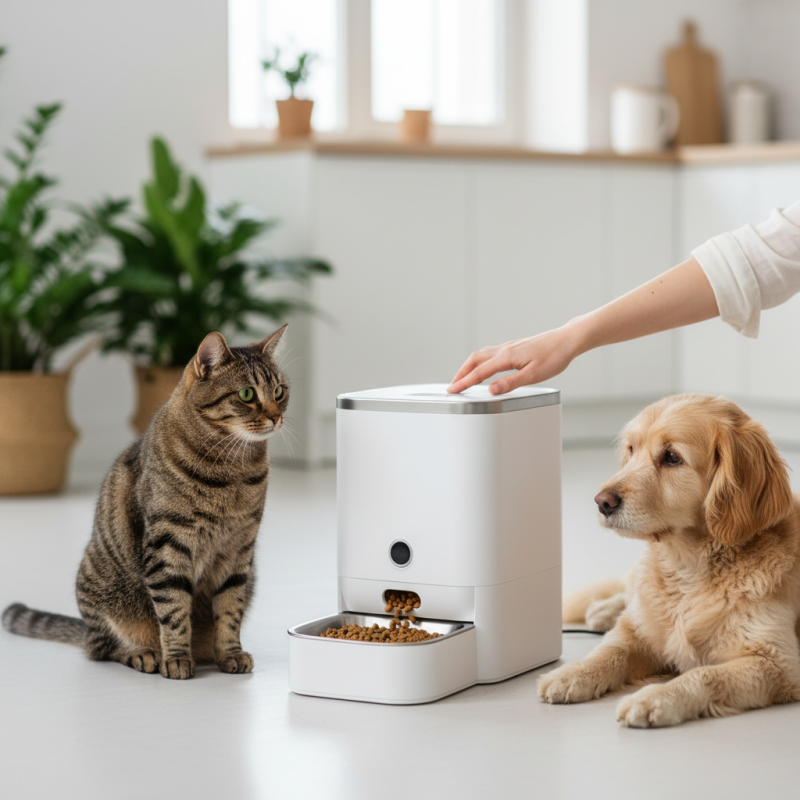
Automatic pet feeders are changing how we manage our pets' diets. These devices offer scheduled feeding times and portion control, catering to specific dietary needs. They stand out particularly for pets that struggle with weight management. Many owners find the convenience appealing. However, the effectiveness depends on their proper use.
Understanding the functionality of these feeders is crucial. Most models allow users to set meal portions based on their pet's requirements. Some include features like voice recording to call pets when it's time to eat. Yet, not all users follow the instructions precisely. Misuse can lead to overfeeding, defeating the purpose. Combining automatic feeders with regular vet check-ups can enhance their effectiveness.
Choosing the right feeder involves considering your pet's habits. Some pets may become anxious if they rely solely on machines. It's important to monitor their reactions and adjust accordingly. Reflections on their behavior can provide insights into managing their weight effectively. Not every solution works for every pet. Each pet's unique personality should inform your choices.
This chart displays the average daily amount of food dispensed by various automatic pet feeders. It helps to understand which feeders may be better suited for weight control in pets by monitoring their food intake.
Weight control in pets is crucial for their overall health. Overweight animals face various health risks, including diabetes, heart disease, and joint issues. Pet owners must recognize that weight management isn’t just about appearance; it's about their pet's quality of life. Regular vet check-ups can provide insights into a pet’s weight status and health.
Many pet owners struggle with portion control. This often leads to overfeeding and unhealthy weight gain. Automatic feeders can aid in this process by regulating portion sizes and feeding schedules. However, the effectiveness of these feeders depends on responsible use. They should not be viewed as a magic solution. Owners must remain vigilant in monitoring their pet's overall diet and physical activity.
Moreover, each pet is unique. Some may adjust well to automatic feeding, while others may not respond positively. It’s essential to observe any changes in behavior or weight. If a pet is losing interest in food or shows signs of stress, reassessment is needed. This reflects an important reality: while technology can help, the human-animal bond and understanding of a pet's needs remain paramount.
| Feeder Model | Capacity (cups) | Customization Options | Weight Control Features | Average Price ($) |
|---|---|---|---|---|
| Model A | 10 | Scheduled feedings | Portion control | 75 |
| Model B | 6 | Manual feeding | Adjustable servings | 50 |
| Model C | 12 | Smartphone app | Scheduled feeding | 120 |
| Model D | 8 | Voice recording | Portion control | 70 |
| Model E | 14 | Remote feeding control | Weight tracking | 150 |
| Model F | 5 | LED display | Scheduled feedings | 40 |
| Model G | 10 | Weight measurements | Portion control | 85 |
| Model H | 8 | App notifications | Adjustment settings | 65 |
| Model I | 15 | Customizable alerts | Weight control | 140 |
| Model J | 4 | Portion limiter | Feeding schedule | 30 |
Evaluating the effectiveness of automatic pet feeders for weight management reveals several insights. Research shows that nearly 60% of pets are overweight or obese, leading to serious health issues. Automatic feeders can help regulate portion sizes and feeding times. They offer scheduled meals, reducing the temptation for overfeeding. However, some studies indicate that a pet's response to these feeders varies widely.
It is crucial to monitor your pet's progress. Regular weigh-ins can help assess the effectiveness of the automatic feeder. If your pet does not lose weight or gains, consider adjusting the meal portions. One study suggests that consistent feeding schedules can lead to a 20% reduction in calorie intake.
Consider these tips to enhance effectiveness. Ensure the feeder is properly calibrated to dispense the right amount of food. Keep in mind that technology is not foolproof. Some pets may learn to manipulate the feeder. Lastly, always combine feeding strategies with increased physical activity for better results. Engaging your pet in interactive play can complement the benefits of controlled feeding.
When choosing an automatic pet feeder, understanding its features is crucial for effective weight management. Many models offer programmable portion control. According to the Pet Food Institute, nearly 60% of pets are considered overweight. This makes it essential for pet owners to have reliable feeding schedules.
Sensors in automatic feeders can prevent overfeeding. Some devices allow owners to customize meal sizes based on their pet’s specific dietary needs. A study published in the Journal of Animal Science indicated that pets fed with automatic feeders exhibited a 22% reduction in obesity levels. However, not all feeders are created equal. Some may lack the durability or advanced settings needed to truly assist in weight control.
Additionally, connectivity features such as app integration can provide pet owners with feedback on their pet's eating habits. This data can be invaluable. Yet, reliance on technology can lead to unintended consequences. A poorly designed user interface might complicate meal settings. Furthermore, some feeders may not hold enough food for larger pets or multiple pets. Identifying these limitations is vital in ensuring your pet's health and well-being.
When it comes to pet weight management, automatic feeders can play a crucial role. Many pet owners have turned to these devices hoping for a solution. They offer precise portion control, making it easier to manage a pet's diet. These feeders can dispense food at scheduled intervals, helping to prevent overfeeding. However, user experiences vary significantly.
Some pet owners report improved weight control for their pets. They appreciate features like programmable settings and portion measurements. However, not all pets adapt to automatic feeders. Some may feel anxious or unsure about the change. Observations indicate that transition times can differ. A few pets may become less interested in eating their meals. This lack of enthusiasm can impact their overall diet.
Expert reviews highlight the importance of choosing the right model. Personalized settings can reflect the specific needs of individual pets. Relying solely on technology may not always yield ideal results. Some feeders may malfunction, leading to unintended consequences. It’s essential for owners to monitor their pets closely during the transition. Active engagement in a pet's feeding routine is vital. This ensures that automatic feeders serve their intended purpose effectively.
: Weight control ensures pets avoid health risks like diabetes and heart disease.
Many struggle with portion control, often leading to overfeeding and weight gain.
Yes, they can regulate portions and feeding schedules, but require responsible use.
Regular weigh-ins are essential. Adjust meal portions if weight does not decrease.
Reassess the situation. Changes in behavior may indicate stress or discomfort.
No, each pet is unique and may respond differently to automatic feeding.
Combine feeding strategies with increased physical activity and interactive play.
Yes, technology isn't foolproof; some pets may learn how to access food differently.
Regular reviews help ensure the feeding plan remains effective and beneficial.
Absolutely. Understanding your pet's needs is crucial alongside any feeding technology.
Automatic pet feeders are designed to facilitate the feeding process for pets while ensuring portion control and regular feeding times. They can be particularly beneficial for managing the weight of pets, which is crucial for their overall health. Obesity in pets can lead to various health issues, and weight control is essential to prevent conditions such as diabetes or joint problems.
In evaluating whether automatic pet feeders can help with weight control, one must consider their effectiveness in delivering measured amounts of food consistently. Features such as programmable feeding schedules and portion sizes can aid pet owners in maintaining their pet's diet. User experiences and expert reviews suggest that when used correctly, automatic pet feeders can be a useful tool in a weight management plan for pets, promoting healthier eating habits and assisting in the reduction of excess weight.

PawEase Feeder