Do Smart Pet Feeders Record Feeding History for Better Care?

Time:2026-08-22 Author:Ethan
0%

The rise of smart pet feeders introduces new possibilities in pet care. One of the most pressing questions is: can smart pet feeders record feeding history? According to recent industry reports, around 70% of pet owners seek innovative solutions to improve their pets' health and well-being. These devices offer not just convenience but the potential for insightful tracking.

Research shows that smart pet feeders can monitor feeding times and quantities. This data can help owners identify patterns in their pets' eating habits. For instance, understanding a pet's appetite can prevent obesity, which affects nearly 50% of dogs in the U.S. However, while many feeders boast tracking capabilities, not all are created equal. Users must evaluate features and reliability.

Moreover, pet owners need to remain cautious. Not all smart feeders are user-friendly or provide accurate data. There are concerns about data security and the reliability of these smart devices. The idea of recording feeding history is promising, but it's crucial to discern which products truly deliver on their promises.
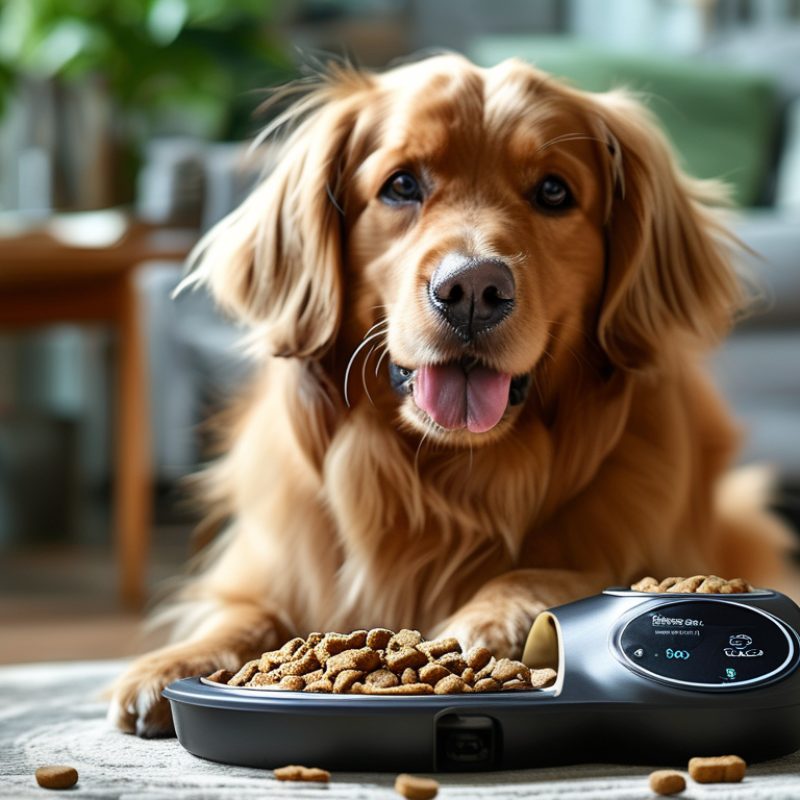
Do Smart Pet Feeders Record Feeding History for Better Care?

Understanding Smart Pet Feeders and Their Functionality

Smart pet feeders have transformed pet care by merging technology with daily routines. These devices offer functionalities beyond simple feeding. Many smart feeders allow pet owners to schedule meals and control portion sizes. This helps combat obesity, a growing concern among pets. According to a report by the Association for Pet Obesity Prevention, around 60% of U.S. cats and dogs are classified as overweight or obese. Feeding history tracking can play a critical role in maintaining pets’ health.


One feature is the ability to log feeding times and amounts. This data can reveal patterns in your pet's eating habits. For instance, changes in appetite may indicate health issues. A study published in the Journal of Veterinary Internal Medicine highlights that monitoring feeding behavior can lead to early detection of potential health problems.


When using a smart pet feeder, it’s wise to regularly check the feeding logs. Look for fluctuations that could signal underlying issues. Feeders can sometimes overlook meals if your pet is ill or stressed. Ensuring your pet maintains a consistent diet is crucial for their well-being. Additionally, be aware of the feeder’s technology to prevent over-reliance. Always balance it with personal interaction to foster a strong bond with your pet.

The Importance of Feeding History for Pet Care

Feeding history plays a crucial role in your pet's overall health. Smart pet feeders can help track this history effectively. By documenting each meal, pet owners can notice patterns in their pets' eating habits. This data can reveal changes in appetite, which might indicate health issues. For instance, if a pet suddenly eats significantly less or more than usual, it can be a warning sign.

Monitoring feeding times and amounts also helps with weight management. Pet obesity is a growing concern, and understanding feeding history can assist in maintaining a healthy weight. Some pets may graze throughout the day, while others need structured feeding times. Recognizing these preferences through recorded data is essential.

Yet, it is important to reflect on this technology's limitations. Data may sometimes be incomplete or inaccurate. Owners must occasionally verify meal records and ensure the feeder functions correctly. A smart pet feeder is a tool, but it should not replace regular vet check-ups. Balancing technology with personal observation ensures better pet care.

How Smart Feeders Track and Record Feeding Patterns

Smart pet feeders have evolved to track and record feeding patterns effectively. These devices utilize technology to monitor when and how much your pet eats. Data collected over time can provide valuable insights into your pet's dietary habits. For instance, specific feeding times may reveal if your pet has a routine.

By analyzing this feeding history, pet owners can adjust their pet's diet as needed. The recorded data can highlight changes in appetite or feeding frequency. Such patterns might indicate health concerns like stress or illness. Monitoring these behaviors allows for a proactive approach to pet care. However, dog owners should not rely solely on the tech; regular vet visits remain essential.

It’s important to recognize the limits of these smart feeders. They can only track feeding, not the pet's overall health. Understanding the nuances of your pet's behavior requires more than just data. Personal observation in loving environments still plays a critical role. The best care combines technology with attentive, human insight.

Do Smart Pet Feeders Record Feeding History for Better Care?

Date Pet Name Feeding Time Amount (grams) Notes
2023-09-01 Bella 08:00 AM 120 Normal
2023-09-01 Max 08:15 AM 100 Ate quickly
2023-09-02 Bella 08:00 AM 120 Normal
2023-09-02 Max 08:15 AM 100 Ate half
2023-09-03 Bella 08:00 AM 130 Normal

Benefits of Feeding History in Managing Pet Health

Modern pet care emphasizes the importance of tracking feeding habits. Feeding history is vital for managing your pet's health. It offers detailed insights into their dietary patterns. You can see what, when, and how much your pet eats. This data allows for better nutritional decisions. You might notice if your pet skips meals or overeats. These behaviors can signal underlying health issues.

Monitoring feeding history helps identify changes that might require attention. If your pet suddenly changes eating habits, it may indicate stress or sickness. Keeping records can assist veterinarians during check-ups. They can use this information to provide tailored advice. It is essential to be observant and proactive about these changes.

While technology provides tools to track feeding, interpreting the data might be challenging. Not every owner is adept at analyzing charts or graphs. There is a learning curve involved. You may find it difficult to adjust your pet's food accordingly. Relying solely on digital data without personal insight can be limiting. Balancing technology with your observations creates a full picture of your pet's health.

Feeding History Analysis for Better Pet Health Management

Limitations of Smart Feeders in Historical Data Tracking

Smart pet feeders claim to enhance pet care through technology. However, limitations arise in historical data tracking. Many devices record feeding schedules and portion sizes, yet they often lack comprehensive insights into pet behavior. According to a recent report by the Pet Food Institute, nearly 70% of pet owners express concern about their pets’ eating habits. Tracking is essential for identifying health issues.

The technology behind these feeders can be inconsistent. Some devices may not log every meal accurately. A report by the American Veterinary Medical Association indicates that only 40% of smart feeders provide reliable data over time. This raises questions about dependability. Pet owners rely on this data to monitor weight changes and feeding irregularities, highlighting a gap in smart feeding technology.

Moreover, many smart feeders do not integrate seamlessly with other health monitoring systems. They operate in isolation, missing broader behavioral patterns. Pet owners may not receive alerts for missed meals, affecting timely interventions. The disconnect between the technology and actual pet health needs suggests room for improvement. As the industry evolves, addressing these shortcomings can provide better care for pets.

FAQS

: What do smart pet feeders do?

: Smart feeders track when and how much your pet eats. They record feeding patterns over time.

Can smart feeders help identify health issues?

Yes, they can highlight changes in appetite or feeding frequency. This may indicate stress or illness.

Are smart feeders fully reliable?

Not always. Some devices may miss meals or log data inaccurately. This raises questions about dependability.

Should I rely solely on smart feeders for pet care?

No, regular vet visits are still essential. Technology should complement personal observation and care.

What limitations do smart feeders have?

They often don't provide comprehensive insights into pet behavior. They also may lack integration with health monitoring systems.

How do smart feeders track historical data?

Many record feeding schedules, but they can be inconsistent. Only about 40% provide reliable long-term data.

Can I adjust my pet's diet based on smart feeder data?

Yes, you can use the data to adjust feeding habits as needed. However, consider personal observations.

Do smart feeders send alerts for missed meals?

Many do not. This can delay timely interventions for your pet.

How important is human insight when using smart feeders?

Very important. Personal observations enrich understanding and care beyond what data alone can provide.

What should I keep in mind about smart feeder technology?

While helpful, it has limitations. Continuous improvement in technology is needed for better pet care outcomes.

Conclusion

Smart pet feeders are innovative devices designed to enhance pet care by automating feeding schedules and portion control. A key feature that many pet owners are curious about is whether smart pet feeders can record feeding history. Understanding feeding patterns is crucial for pet owners to monitor their pets’ health and dietary needs. By tracking when and how much your pet eats, these devices provide valuable insights that can help detect potential health issues and ensure optimal nutrition.

The benefits of recording feeding history extend to better management of pet health, allowing owners to make informed decisions about their pet's diet and vet visits. However, while smart feeders have the capability to track feeding patterns, there are some limitations in how they store and analyze historical data. It’s essential for pet owners to be aware of these limitations to fully leverage the advantages of smart feeding technology in caring for their pets.

Ethan

Ethan

Ethan is a seasoned marketing professional with a deep expertise in our company's innovative product line. With a passion for sharing knowledge and insights, he takes the lead in regularly updating our corporate blog, where he explores industry trends, product features, and effective marketing......