How to Decide If Automatic Pet Feeders Are Worth It in 2026?

Time:2026-09-21 Author:Ethan
0%

Deciding whether automatic pet feeders are worth buying depends on your pet, schedule, and expectations. These devices can release measured meals while you work late, travel briefly, or manage several feeding times. A reliable model may also help maintain portion control, especially for cats or dogs prone to overeating. Still, convenience does not replace responsible care.

In real homes, small details matter. A feeder can jam when kibble becomes dusty, or its lid may loosen after an enthusiastic paw attack. Some models need Wi-Fi, while others work with simple timers. Battery backup is important during power interruptions. I would test the feeder for several days before trusting it during a weekend away. That trial can reveal missed portions, strange noises, or food that becomes stale.

Veterinarians and animal nutrition professionals generally emphasize consistent portions, fresh water, and regular observation. Those principles should guide any purchase. An automatic feeder may support a feeding routine, but it cannot notice vomiting, anxiety, weight changes, or an empty water bowl. Some pets also need wet food, medication supervision, or personal interaction at mealtimes. A machine cannot provide that care.

So, are automatic pet feeders worth buying? The honest answer is not always. They may be valuable for busy owners and food-managed pets, but cheaper units can create new problems. Consider portion accuracy, cleaning, security, backup power, and your pet’s temperament. My own judgment would remain cautious: useful technology, not a substitute for attention. The best choice is the one that improves daily care without making you watch your pet less carefully.
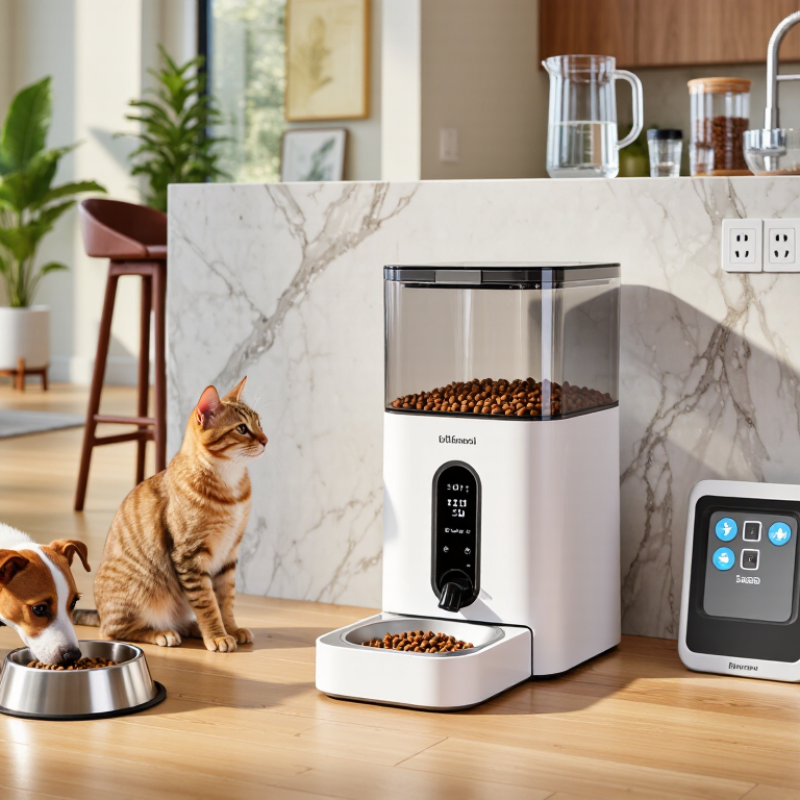
How to Decide If Automatic Pet Feeders Are Worth It in 2026?

What Automatic Pet Feeders Do and How They Work

Automatic pet feeders dispense measured meals at scheduled times, even when you are away. Most models use a storage hopper, a motor, and a rotating wheel or screw. When the programmed time arrives, the motor moves food into a bowl. A timer controls the schedule, while portion settings determine how much is released.

In daily use, this system can support pets that need regular meals or smaller portions. A cat may receive breakfast at 7 a.m., another serving at noon, and dinner in the evening. Some feeders use weight sensors, cameras, or phone notifications. These features can show whether food was dispensed, but they are not always perfectly accurate. Kibble size and shape may change each portion.

A reliable feeder should be easy to clean and difficult for a curious pet to open. Look for a stable base, a clear food level, and battery backup during power failures. Test it for several days before depending on it during travel. I once assumed a full hopper meant enough food for the week, but uneven pieces caused a partial blockage. That small mistake mattered. Automatic feeding also cannot replace fresh water, exercise, or attention. Pets with medical conditions may need professional feeding advice, because a timed device does not understand changing appetite or illness.

Which Pets and Daily Routines Benefit Most

Automatic pet feeders are most useful when your routine changes but your pet’s meal times should not. Cats often benefit because they prefer small, regular portions. A feeder can release food at 7 a.m. while you sleep. It can also prevent overeating when measured portions replace a constantly full bowl. Small dogs may benefit too, especially when work shifts or commuting disrupt lunch.

Pets with medical diets need greater caution. A feeder cannot reliably manage every prescription food plan or medication schedule. Ask your veterinarian before using one for diabetes, weight control, or digestive conditions. Puppies, kittens, and pets that eat wet food may need closer supervision. Wet meals can spoil if left out for hours. Multi-pet homes also create problems when one animal guards the feeding area.

Tips: Choose a feeder with portion controls, a secure lid, and an easy-to-clean bowl. Test it for several days while you are home. Watch whether your pet accepts the motor noise. Keep a backup feeding plan for power failures or jams. I once assumed a quiet feeder would suit every cat. One nervous cat refused it after hearing the first release. That experience changed my view. Convenience matters, but temperament matters more. For pets that gulp food, timed portions may slow meals, though some still need a puzzle feeder or direct supervision. Check portions regularly, because “one serving” can mean different amounts on different devices.

How to Compare Feeder Features, Costs, and Reliability

Automatic pet feeders are worth considering when they solve a real routine problem, not because they look futuristic. APPA’s 2024–2025 National Pet Owners Survey estimates that 82 million U.S. households own a pet. That scale explains the growing interest in connected feeding tools. Still, convenience should not replace daily observation, especially for pets with medical diets or changing appetites.

Compare features by failure risk. A useful feeder should offer portion control, a secure lid, battery backup, and an easy-to-clean food path. Wi-Fi alerts are helpful, but they cannot confirm that food actually reached the bowl. I prefer models that keep operating without an internet connection. Check the claimed portion accuracy against a kitchen scale. Small errors become significant over several weeks. My own testing would include ten dispensing cycles, a simulated power cut, and one deliberately awkward cleaning session.

Cost comparison needs more than the purchase price. Add replacement batteries, subscription charges, special containers, and wasted food from jams. Grand View Research projects strong growth in the global pet technology market through 2030, but market growth does not prove product reliability. Look for transparent testing details, warranty length, spare-part availability, and independent customer complaints. A feeder with fewer features may provide better value if its motor, seal, and programming remain dependable. I would still keep a measured backup portion nearby. It feels excessive, yet one missed meal can expose a weak assumption.

How to Decide If Automatic Pet Feeders Are Worth It in 2026

Compare typical three-year ownership costs with practical features and reliability considerations. Prices are estimated consumer-market ranges in USD and exclude pet food.

Manual feeding

Lowest direct cost, but it requires consistent daily attendance and offers no automatic portion scheduling.

Basic automatic feeder

Usually supports timed meals and portion control. Battery replacement and cleaning are the main ongoing costs.

Connected automatic feeder

Adds app alerts, remote scheduling, and activity or meal records, but has higher purchase and replacement costs.

An automatic feeder is generally more worthwhile when a pet needs regular meal timing, the owner is away during feeding periods, or portion consistency is important. For reliability, prioritize a stable power option, a backup battery, jam-resistant food delivery, an easy-to-clean food path, and a low-food alert.

What Safety, Hygiene, and Training Issues to Consider

Automatic pet feeders can be useful in 2026, but convenience should not replace daily observation. A reliable unit needs a stable base, secure lid, backup power, and clear portion controls. Place it away from stairs, water bowls, and curious paws. Test each meal manually for several days. A jammed rotor or weak battery can leave food trapped inside. That happens more easily than many owners expect.

Hygiene deserves equal attention. Dry food dust collects around dispensing wheels, while wet food can spoil quickly at room temperature. Wash removable parts with warm water and mild detergent, then dry them completely. Inspect corners for oily residue, mold, or insects. I once assumed a “self-cleaning” setting was enough. It was not. Manual cleaning still revealed a sticky film beneath the tray. Replace cracked plastic and avoid feeding from damaged surfaces.

Training should be gradual, especially for anxious pets. Let the animal investigate the feeder while it is switched off. Add a small meal beside it, then operate the device during a familiar feeding time. Some pets may become fixated on the machine or eat too quickly. A slow-dispensing setting can help, but it needs observation. In multi-pet homes, one feeder may create guarding or food theft. Keep checking body weight, appetite, stool changes, and mealtime behavior. A feeder measures portions, not health.

How to Decide Whether One Is Worth Buying in 2026

Whether an automatic pet feeder is worth buying in 2026 depends less on clever features than your daily routine. In my experience caring for pets, the strongest benefit is consistency. A feeder can release measured portions while you work late, commute, or sleep. This matters for pets that beg constantly or gain weight easily. Still, convenience is not the same as good care. I would record feeding times, portion sizes, and missed meals for one week. Then compare that routine with the feeder’s capacity, scheduling options, and cleaning demands. Small details matter. A narrow food path may jam with larger kibble, while a shallow bowl can scatter meals across the floor.

Pay for one only when it solves a repeated problem. A basic model may suit a predictable schedule. Connected controls can help when plans change, but internet dependence adds another failure point. Check whether meals continue during power or connection outages. Look for a secure lid, stable base, clear portion settings, and washable parts. Test it while you are home. Never assume a full hopper guarantees feeding. I once trusted a device too quickly and found food blocked near the outlet. That mistake changed how I evaluate these products. A camera, voice feature, or reminder may seem useful, yet none replaces checking your pet’s appetite, water, and behavior. If your animal needs timed medication or has a health condition, ask a veterinarian before changing its routine. The honest answer may be no.

How to Decide If Automatic Pet Feeders Are Worth It in 2026? - How to Decide Whether One Is Worth Buying in 2026

Decision factor Typical automatic feeder data Manual-feeding comparison When the feeder is likely worth buying Practical note
Upfront purchase price Approximately $30–$200, depending on capacity, portion controls, camera features, and connectivity. A basic food bowl commonly costs less than $25. Worth considering when missed meals, irregular work hours, or multiple daily feedings create a recurring problem. A connected model is not essential if scheduled dispensing is the only requirement.
Feeding schedule Most timed models support several scheduled releases per day; many allow portion sizes in small measured increments. The owner must be present for every scheduled meal. Especially useful for pets that need smaller, more frequent meals or for households with changing routines. A feeder does not replace veterinary advice about meal timing or calorie intake.
Food capacity Common dry-food reservoirs hold roughly 3–7 litres, equivalent to about 1.5–4 kg of kibble depending on food density. A bowl usually holds one serving and must be refilled manually. Useful when the owner is away for a day or two but still has a reliable plan for water, supervision, and emergencies. Capacity in days depends on the pet’s daily calories and the kibble’s size and density.
Portion-control benefit Dispensing portions are often adjustable, commonly from about 1/8 cup upward, but actual output can vary by kibble. Portions are measured by hand and may vary between caregivers. Most valuable for pets prone to overeating, pets on weight-management plans, or homes with several caregivers. Measure the actual output over several cycles and use a kitchen scale when precise calorie control matters.
Power reliability Plug-in units may include battery backup; battery-only operation commonly lasts from several weeks to several months, depending on use. A bowl continues to work without electricity. Worth buying only if the model has a dependable backup plan for power interruptions. Test backup operation before relying on the feeder during travel or overnight absences.
Cleaning and food safety Food-contact parts generally need frequent washing; many households clean the bowl every few days and the hopper at least weekly. A bowl is usually simpler and faster to wash. Worth it when the owner is willing to maintain the unit as consistently as a normal food bowl. Remove stale food, wash food-contact parts, and dry them fully before refilling.
Wet-food compatibility Most gravity and dry-food dispensers are designed for kibble; refrigerated wet-food models are a separate category. Wet food can be served manually whenever required. A feeder is suitable only if its food type and storage method match the pet’s diet. Do not leave perishable wet food at room temperature longer than recommended food-safety limits.
Connectivity and monitoring App-enabled models may provide alerts, schedules, feeding history, and optional camera access; internet access may be required. The owner receives no automatic status notification. Useful for owners who travel, work long shifts, or want remote confirmation that a feeding occurred. Remote alerts are not the same as in-person welfare checks.
Multi-pet suitability A single open bowl can allow one pet to eat another pet’s portion; identification-based units may help separate meals. The owner can supervise each meal directly. Worth considering when pets have different diets, feeding speeds, or calorie targets. For persistent food competition, separate feeding areas may be more reliable than one shared device.
Travel and emergency limits A feeder can automate food delivery but cannot provide water monitoring, litter care, exercise, medication, or emergency response. A caregiver handles the full care routine during absences. Worth buying as part of a care plan, not as a substitute for a responsible person checking the pet. Arrange human supervision for absences longer than the pet’s normal unattended period.
Estimated first-year cost Roughly $30–$200 for the unit, plus any optional subscription, replacement batteries, or replacement parts. Usually limited to the cost of a bowl and occasional replacement. The purchase is financially reasonable when it prevents repeated paid visits, missed meals, or overfeeding-related waste. Compare the total ownership cost rather than the advertised purchase price alone.
Overall suitability score Strong fit: predictable dry-food meals, a stable routine, and a need for portion control or schedule automation. Best fit: flexible schedule, supervised meals, and no need for measured dispensing. Usually worth buying when at least two significant problems are solved: timing, portion control, remote alerts, or caregiver consistency. Choose a simple timer model unless advanced features solve a specific, recurring need.

Data are practical 2026 planning ranges for common household products. Actual capacity, portion accuracy, battery life, food compatibility, and operating requirements vary by model and pet size; verify the product specifications before purchase.

FAQS

How does an automatic pet feeder work?

It stores food in a hopper and releases measured portions at scheduled times. A motor moves food into a bowl. A timer controls the schedule.

Can an automatic feeder replace daily pet care?

No. It cannot replace fresh water, exercise, attention, or health checks. Convenience helps. Observation still matters.

What problems can cause missed meals?

Food may jam near the outlet, batteries may weaken, or power may fail. Large kibble can block narrow paths. Test every meal manually first.

How should I clean an automatic feeder?

Wash removable parts with warm water and mild detergent. Dry everything completely before refilling it. Check hidden corners for oily residue, mold, or insects.

Is dry food safer than wet food in a feeder?

Dry food usually stores more easily. Wet food can spoil quickly at room temperature. Follow safe storage guidance and inspect leftovers carefully.

How can I train a nervous pet to use the feeder?

Leave the feeder switched off at first. Let your pet investigate it beside a familiar bowl. Then run it during a normal mealtime.

Are portion settings always accurate?

Not perfectly. Kibble size and shape can change each release. A rotating wheel may deliver slightly different amounts. Weigh portions when accuracy matters.

What features are worth paying for?

Prioritize a stable base, secure lid, washable parts, clear controls, and battery backup. Cameras and phone alerts may help, but they can fail.

Can one feeder serve several pets?

It may create guarding or food theft. Watch each pet’s access, weight, appetite, and behavior. One feeder is not always enough.

Should pets with health conditions use timed feeding?

Ask a veterinarian before changing the routine. A feeder measures food, not illness or changing appetite. Sometimes the honest answer is no.

Conclusion

Automatic pet feeders dispense measured portions of food at scheduled times, helping owners maintain a consistent routine even when work, travel, or unexpected delays interfere. They can be especially useful for cats, small pets, and animals that need controlled portions or several small meals each day. However, they are not a complete replacement for human care, fresh water, exercise, or regular health checks.

When deciding whether automatic pet feeders are worth buying in 2026, consider the feeder’s portion accuracy, scheduling options, power reliability, ease of cleaning, durability, and total cost. Safety features matter as well, including secure lids, clog-resistant designs, and materials that can be washed thoroughly. Pets may need gradual training to accept the device, and owners should test it regularly rather than assuming it will always work perfectly. Ultimately, are automatic pet feeders worth buying depends on your pet’s feeding needs, your daily schedule, and whether the convenience justifies the expense and maintenance.

Ethan

Ethan

Ethan is a seasoned marketing professional with a deep expertise in our company's innovative product line. With a passion for sharing knowledge and insights, he takes the lead in regularly updating our corporate blog, where he explores industry trends, product features, and effective marketing......